Source breathable elastic elbow brace for Basketball, Football, Tennis
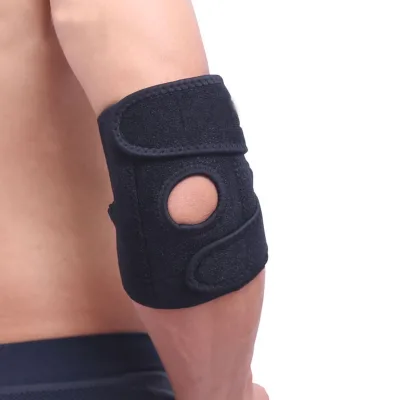
Find 30 breathable elastic elbow brace options from verified suppliers. Compare features like neoprene and nylon materials, adjustable fits, and protection for sports such as basketball, football, and tennis to find the right support.
Key considerations
Products List




Comprehensive Sourcing Guide
Strategic Sourcing Guide for Breathable Elastic Elbow Braces
The global demand for orthopedic support and athletic recovery gear has driven a significant expansion in the market for breathable elastic elbow braces. For B2B procurement professionals, sourcing these items requires a nuanced understanding of material science, regulatory compliance, and supply chain logistics. The term "breathable elastic elbow brace" describes a category of medical and sports equipment designed to provide compression, stability, and thermal regulation to the elbow joint. This guide synthesizes available product attributes and industry standards to provide a comprehensive framework for evaluating suppliers and selecting the right products for wholesale distribution.
Technical Specifications and Material Composition
The core functionality of an elbow brace relies heavily on its material composition and structural design. In the current market, manufacturers utilize a variety of textiles to balance breathability with elasticity. Analysis of available product data reveals that common materials include neoprene, nylon, polyester, and rubber blends. For instance, specific models are constructed from a blend of 50% nylon, 10% polyester, and 40% rubber, while others utilize 55% polyester and 45% rubber. Some high-elasticity variants may feature 80% nylon and 20% spandex, or 15% nylon and 85% rubber.
Breathability is a critical technical attribute for this product category. While some products are explicitly marked as non-waterproof, the "breathable" claim often depends on the knit structure and the percentage of synthetic fibers used. A standard medium thickness is frequently observed in these products, which provides adequate support without restricting blood flow. The sizing strategy for wholesale buyers is equally important; many suppliers offer a "One size fit" approach, which simplifies inventory management but may limit fitment for specific demographics. Conversely, other models provide a range of sizes such as S, M, L, and XL to accommodate different user needs.
When evaluating technical specifications, buyers must verify the customization options available. The market data indicates that customization is a standard offering, with suppliers accepting OEM requests and allowing for logo customization, such as "Telamon or Customizable." The product function is consistently cited as relieving elbow pain, with applications spanning various sports including basketball, football, tennis, badminton, and table tennis. The gender classification is typically unisex, and the target age group is adults.
Compliance, Certification, and Regulatory Standards
Navigating the regulatory landscape is essential for importing medical and sports support devices. Procurement teams must verify that suppliers possess valid certifications that align with the destination market's requirements. Available data points to FDA and CE certifications as key compliance markers for certain elbow brace models. These certifications suggest that the products meet specific safety and performance standards required for medical devices or health care products in major markets like the United States and the European Union.
However, buyers should exercise caution when interpreting certification claims. While some product listings explicitly mention FDA/CE status, other background information references ISO 13485, BSCI, and REACH standards. It is crucial to distinguish between verified product-specific certifications and general factory-level standards. ISO 13485, for instance, relates to quality management systems for medical devices, while REACH focuses on chemical safety. A supplier may hold a BSCI certification for social compliance without every individual product batch being FDA approved.
Buyers must request current, valid certification documents for the specific product model they intend to purchase. Relying on general claims without verifying the scope of the certification can lead to customs delays or legal liabilities. The presence of a "Health Care" feature in product descriptions often triggers stricter regulatory scrutiny. Therefore, verifying that the specific model number, such as GS-830 or GS-630, is covered under the supplier's active certification is a non-negotiable step in the sourcing process.
Cost Drivers and Pricing Dynamics
Understanding the cost structure of breathable elastic elbow braces is vital for maintaining healthy profit margins. The observed price range in the market spans from $0.61 to $54.90 USD. This wide disparity is driven by several factors, including material quality, certification status, and order volume. Lower-priced items typically utilize standard blends of nylon and rubber, while higher-priced variants may incorporate advanced neoprene or offer more complex customization features.
Minimum Order Quantity (MOQ) is another significant cost driver. The market data shows an MOQ range from 5 to 5,000 units. Suppliers with lower MOQs may charge a premium per unit to cover setup costs, whereas high-volume orders often benefit from economies of scale. Buyers should analyze their inventory turnover rates to determine the optimal MOQ. For example, a supplier offering an MOQ of 5 units might be suitable for testing a new market, while a retailer requiring consistent stock might negotiate an MOQ of 5,000 to secure the lowest unit price.
Additional cost factors include packaging and logistics. Standard packaging often involves 72 boxes per outer carton, but custom packaging solutions can increase costs. The origin of the product, such as Jiangsu or Anhui in China, also influences pricing due to local labor costs and shipping infrastructure. Buyers should request detailed breakdowns of costs, including material, labor, packaging, and freight, to ensure transparency in the final landed cost.
Typical Applications and Market Segmentation
Breathable elastic elbow braces serve diverse applications across medical, sports, and lifestyle sectors. The primary function identified in product data is the relief of elbow pain, making these items essential for individuals recovering from injuries or managing chronic conditions like tennis elbow. The "Health Care" and "Support" features highlight their role in rehabilitation and daily comfort.
In the sports sector, these braces are widely used for prevention and support during high-impact activities. The specific protection projects listed include basketball, football, tennis, badminton, and table tennis. The breathable and elastic nature of the braces allows athletes to maintain a full range of motion while receiving necessary compression. The unisex design and adult age group classification suggest a broad market appeal, suitable for both amateur and professional athletes.
The versatility of these products extends to general daily use. Some models are designed for indoor and outdoor applications, making them suitable for various environments. The adjustable feature, noted in some product descriptions, allows users to customize the level of compression, enhancing the therapeutic effect. Buyers should consider these application scenarios when marketing the products to different customer segments, such as sports teams, physical therapy clinics, or general retail consumers.
Supplier Evaluation and Verification
Selecting the right supplier requires a rigorous evaluation process that goes beyond price comparisons. Buyers should assess the supplier's production capabilities, quality control measures, and track record. The location of the manufacturer, such as Yangzhou or Anhui, China, can provide insights into the supply chain efficiency and logistics capabilities. Suppliers with a history of OEM services and customizable options are generally more flexible in meeting specific buyer requirements.
Verification of the supplier's claims is paramount. Buyers should confirm the accuracy of product attributes, such as the "Skin-friendly and Adjustable" feature or the specific material composition. It is advisable to request product samples to verify the quality of the neoprene, nylon, or polyester blends. Additionally, checking the supplier's response to customization requests, such as logo placement or packaging modifications, can indicate their level of service and flexibility.
The production model numbers, such as KF-ES, GS-830, or 906101, serve as unique identifiers for specific product lines. Buyers should ensure that the supplier can consistently produce these models with the specified standards, such as the 55% nylon and 45% rubber blend. A supplier's ability to maintain consistency across different batches is a key indicator of reliability.
Quality Control and Long-Term Procurement Considerations
Maintaining product quality is essential for long-term success in the elbow brace market. Buyers should implement a robust quality control (QC) protocol that includes pre-shipment inspections and random sampling. Key quality metrics to monitor include the integrity of the stitching, the elasticity of the material, and the durability of the adjustable features. The "Non-Waterproof" attribute should be clearly communicated to end-users to manage expectations regarding product care.
Long-term procurement considerations involve building a sustainable relationship with suppliers. This includes negotiating favorable terms for repeat orders, ensuring consistent lead times, and establishing clear communication channels for addressing any quality issues. The availability of customization, such as OEM services, allows buyers to differentiate their products in a competitive market. However, buyers must balance customization with cost and lead time implications.
Furthermore, buyers should stay informed about evolving industry standards and regulations. As the market for medical and sports support devices grows, regulatory requirements may become more stringent. Maintaining up-to-date certifications and adhering to the latest safety standards will ensure continued market access and customer trust. By focusing on quality, compliance, and supplier reliability, buyers can build a resilient supply chain that meets the diverse needs of the global market.
Comparative Analysis of Product Attributes
To assist in decision-making, the following table summarizes key product attributes observed in the market, highlighting variations in materials, certifications, and specifications.
| Attribute | Product A (GS-830) | Product B (GS-630) | Product C (906101) | Product D (KF-ES) |
|---|---|---|---|---|
| Material | 50% Nylon, 10% Polyester, 40% Rubber | 15% Nylon, 85% Rubber | 55% Nylon, 45% Rubber | S/M/L/XL (Size Standard) |
| Description | Leica Support-Elbow 1PCS | Neoprene Support-Elbow 1PCS | Elbow Support 1 PCS | Knitting Support-Knee |
| Certification | FDA/CE | FDA/CE | FDA/CE | Not Specified |
| Adjustability | Adjustable | Adjustable | Unadjustable | Adjustable |
| Origin | Jiangsu, China | Yangzhou | Anhui, China | Anhui, China |
| Packing | 72 Boxes/Outer Carton | 72 Boxes/Case | Carton | Carton |
| Application | Basketball, Football, Tennis | Basketball, Football, Tennis | Indoor, Outdoor | Indoor, Outdoor |
This comparison illustrates the diversity within the category. While some products share similar certifications and applications, differences in material composition and adjustability can significantly impact performance and user preference. Buyers should use these attributes to align product selection with specific customer needs and market demands.
FAQs
What materials are used for breathable elastic elbow braces?
These braces commonly use neoprene, nylon, polyester, and rubber blends. Specific compositions include 50% nylon with 10% polyester and 40% rubber, or 55% polyester with 45% rubber. Some models feature 80% nylon and 20% spandex for high elasticity.
Can I find adjustable elbow braces for wholesale orders?
Yes, adjustable options are available with skin-friendly features. Some models are explicitly marked as adjustable, while others are unadjustable. Buyers should verify the specific model number to confirm adjustability before placing bulk orders.
Which certifications are required for medical elbow support devices?
Many models carry FDA and CE certifications for medical and sports use. Buyers must verify that specific model numbers like GS-830 are covered under active certifications. General factory standards like ISO 13485 do not guarantee product-specific approval.
How does the MOQ vary for elbow brace suppliers?
Minimum Order Quantities range from 5 to 5,000 units depending on the supplier. Lower MOQs often suit market testing, while higher volumes secure better pricing. Buyers should check specific supplier terms for their target order size.
What is the price range for wholesale elastic elbow braces?
Prices typically range from 0.61 to 54.9 USD per unit. Cost varies based on material quality, certification status, and order volume. Lower prices usually reflect standard blends, while higher costs may include advanced features or customization.
Where are these elbow braces manufactured in China?
Products originate from locations such as Jiangsu, Yangzhou, and Anhui. The specific origin can influence logistics and pricing. Buyers should confirm the place of origin for each model to ensure supply chain compatibility.
Can suppliers customize logos and packaging for these braces?
Yes, OEM services and logo customization like Telamon are acceptable. Customization is available for packaging and branding. Buyers should confirm specific customization limits and lead times before finalizing orders.